
Sep 21, 2026
26 min read
Welcome back to The Foundry, the new digital magazine from Brazen. We’re interested in extraordinary characters and the worlds they inhabit: their ambitions, their contradictions and the choices that change their lives. We’ll often publish their stories in parts, in the spirit of the old magazine serials. No fancy gadgets or video clips, just the story, presented as we’d like to read it.
We’re beginning with The Tell. All eleven chapters are free, and you don’t need to give us your email address to read them. If you’d like an excerpt and a link when the next instalment arrives, please subscribe. You’ll also hear about future Foundry projects, including a Vatican scandal and a nuclear history project with new discoveries.
We hope you enjoy it, and that you’ll stick around for what comes next.
More from Brazen: investigative reporting at Whale Hunting, long-form narrative podcasts at Brazen FM, and updates on Instagram.
Below are Chapters 3 and 4. Two more chapters will appear each day from tomorrow through Thursday, 24 September, followed by the final chapter on Friday, 25 September.
Chapter 3: The World
By Bradley Hope
With editing from Brad Reagan
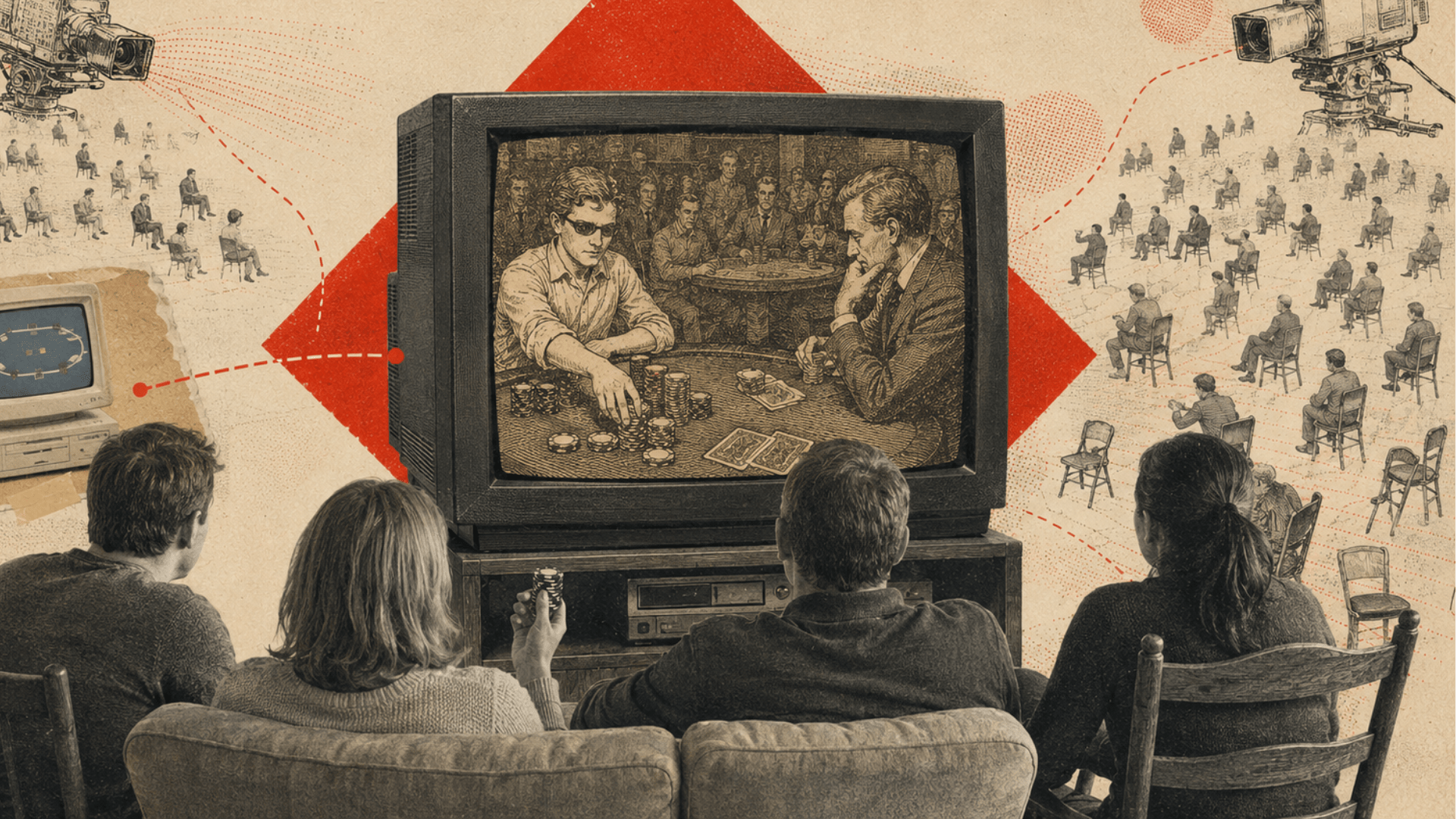
In 2003, at Binion’s Horseshoe in downtown Las Vegas, a 27-year-old accountant from Nashville named Chris Moneymaker sat at the final table of the World Series of Poker. The burly Moneymaker had begun with an $86 online satellite on PokerStars, which gave him entry to a $650 qualifier for the main event. He then improbably got down to the final two. He was up against an old-school pro named Sammy Farha, who kept an unlit cigarette dangling from his mouth and looked a bit like Humphrey Bogart crossed with Joe Pesci. Moneymaker, with nothing but a busted straight, pushed all of his chips in. Farha, holding top pair, muttered to himself, trying to get a read on the young amateur. Moneymaker didn’t move, staring straight ahead behind wraparound shades. Farha finally folded. The nobody from Tennessee had bluffed the grizzled Vegas veteran off the best hand.
Moneymaker went on to win the $2.5 million first prize, and when ESPN’s hole-card cameras showed viewers how he pulled it off, he became the personification of the idea that anyone, with enough balls and a little bit of luck, could slay the game’s goliaths. Nolan Dalla, the WSOP media director, called it “the sonic boom of poker.”
The main event drew 839 entrants that year. By 2004, the field had tripled. By 2005, it was 5,619. Millions of Americans watched and decided they could be the next Moneymaker.
Goldstein was one among them. “I was one of those people who just got caught up watching poker on ESPN,” he told The Washington Post in 2008. In a 2025 interview with Jeffrey Toobin for The New York Times Magazine, later quoted in a trial stipulation, he described the attraction more precisely: “I loved watching. I think of it as a pretty intellectual thing. Actually, I like it because what poker is, fundamentally, is management of luck and management of risk.”
He had been playing poker for years, mostly kitchen-table games among colleagues at the firm. In 2006, when Scheiber visited Goldstein’s students at the Harvard Law Review for his New Republic profile, a game materialized. Goldstein arrived with $100 in quarters in a black Goldstein & Howe courier bag. The students bought in for $10 apiece and gathered around a small conference table. Goldstein was quick with the big bet and quick to deduce other people’s cards. Deep into one hand, he correctly guessed that Scheiber was sitting on an ace and a ten. After about ninety minutes, a student and his parents walked in. “Is this a class?” one of them asked, noting the cards and the quarters. Goldstein had his sleeves rolled up, his tie loosened, and was wearing a yellow-orange Foxwoods Casino baseball cap backward. He smiled. The father recognized him. “Tom Goldstein of Goldstein & Howe?” The father began gushing: “You must have heard the one about how your firm got its name?” “Uh, no.” “Someone said, ‘Is that Tom Goldstein?’ And the other one said, ‘And how!’”
Goldstein and Howe hosted poker nights that the legal blogger David Lat called “legendary,” less for the pots than for the guest list. The couple’s friend Totenberg played in the games alongside Supreme Court reporters and appellate lawyers.
When a former professional player joined Goldstein’s firm, Goldstein began sparring with him for higher stakes. It would turn out to be a bit of a gateway drug for Goldstein. From there he moved on to an invitation-only circle of wealthy professionals in Montgomery County, Maryland. Washingtonian, reporting on those games, described hosts who set up pro-style game rooms and tables, hired professional dealers and served catered dinners. Guests bought in at around $5,000 each.
“It was just enough to get the wealthier businesspeople excited, and just enough for the better poker players to try to make a little bit of money,” a former attendee and friend of Goldstein’s told the magazine. The same friend added: “It was hard not to like him,” and, “He was a difficult person to read. Let’s put it that way.” Another acquaintance, who played with Goldstein in area games around the same time, was blunter in a forum post quoted by the magazine, writing that “he was definitely a degen,” poker slang for a degenerate gambler, the kind of person who bets because the betting itself is the point.
On TwoPlusTwo, the online poker strategy forum, Goldstein had been writing detailed analyses of $100/$200 no-limit poker sessions. He went through the games move by move, weighing in on when showing strength early could keep a pot from growing too large and how the size of a bet on one street shaped the play on the next. The “degen” who threw money away in multi-player cash games also studied the math of heads-up play with the same obsessive rigor he applied to Supreme Court precedents.
To the players who faced him, he looked like exactly the opponent they wanted at their table: “aggressive and erratic at times,” as Bob Safai described him, and “a very happy poker player,” as fellow poker player Rick Salomon remembered him. His coach Keith Gipson would describe him as the type “you'd say stays in hands probably a little too long, but was still a thinking player.” In later campaigns, Goldstein would use that reputation to find opponents. They would expect reckless play; he would have spent weeks studying their tendencies.
In the summer of 2008, Goldstein won a 130-player satellite tournament whose prize was a $10,000 seat in the World Series of Poker main event. He was quickly bounced. But during that trip to Las Vegas, he put on the epic show at the Bellagio that, by his own later account, made him some $400,000.
He was also introduced that week to Dan Bilzerian, then 27 years old and better known as the son of a corporate raider who had been convicted of securities fraud. The bearded, muscle-bound Bilzerian, who had completed Navy SEAL Hell Week twice but washed out before graduation, was just developing the persona that would make him one of the world’s biggest Instagram personalities. His account showcased a life of bikini-clad girls, private yachts and firing automatic weapons in the desert. His father’s assets had been the subject of SEC collection efforts for years; a federal judge had found in 2000 that Paul Bilzerian concealed them through family partnerships, an offshore trust and a trust for his children, and the whispers around Vegas were that this was where the son’s bankroll came from. Bilzerian said he earned it himself, through high-stakes poker. In particular, he told reporters, his specialty was private matches against wealthy businessmen who chronically underestimated him as a clueless party boy.
Bilzerian and Goldstein were more than a decade apart in age and different in almost every other way. Yet they hit it off. In an autobiography, Bilzerian described Goldstein as something of a kindred spirit. They began to hang out socially, as well as gamble together, even when the stakes exceeded Goldstein’s means. The Las Vegas he was being shown came with more than card games. It had nightclubs and bottle service and a supply of company, and it offered Goldstein a version of himself that nobody in Washington had met.
In March 2011, Goldstein put up $400,000 (Bilzerian’s memoir puts it at $385,000) in a bet with Bilzerian to see who could win a drag race at the Las Vegas Motor Speedway. Goldstein was behind the wheel of a 2011 Ferrari 458 Italia with a vanity plate that read 1-CERTIORARI, whereas Bilzerian drove a modified 1965 Shelby Cobra. Bilzerian won the quarter-mile sprint and collected his cash. But there was another component of the bet: Bilzerian mandated that if he won, Goldstein would be required to smoke marijuana for the first time. When he did, the lawyer got so high that he left his Ferrari on Las Vegas Boulevard with the keys still in it. Bilzerian later found him in the Bellagio poker room. “Blitz, I need to borrow some money to gamble,” Bilzerian recounted him saying.
Bilzerian wrote in his autobiography that he had “never met anyone with less respect for money proportionate to their net worth” than Goldstein.
Goldstein’s legal practice and his gambling habit increasingly fed each other. The clients became the opponents. The opponents became the clients. He became counsel to the Poker Players Alliance, the largest poker advocacy group in the country, and represented PokerStars, the online poker site headquartered on the Isle of Man. The stakes were climbing and so was his time away from Washington. His law clients in the poker world, he would later explain, helped account for his increasingly long absences from home.
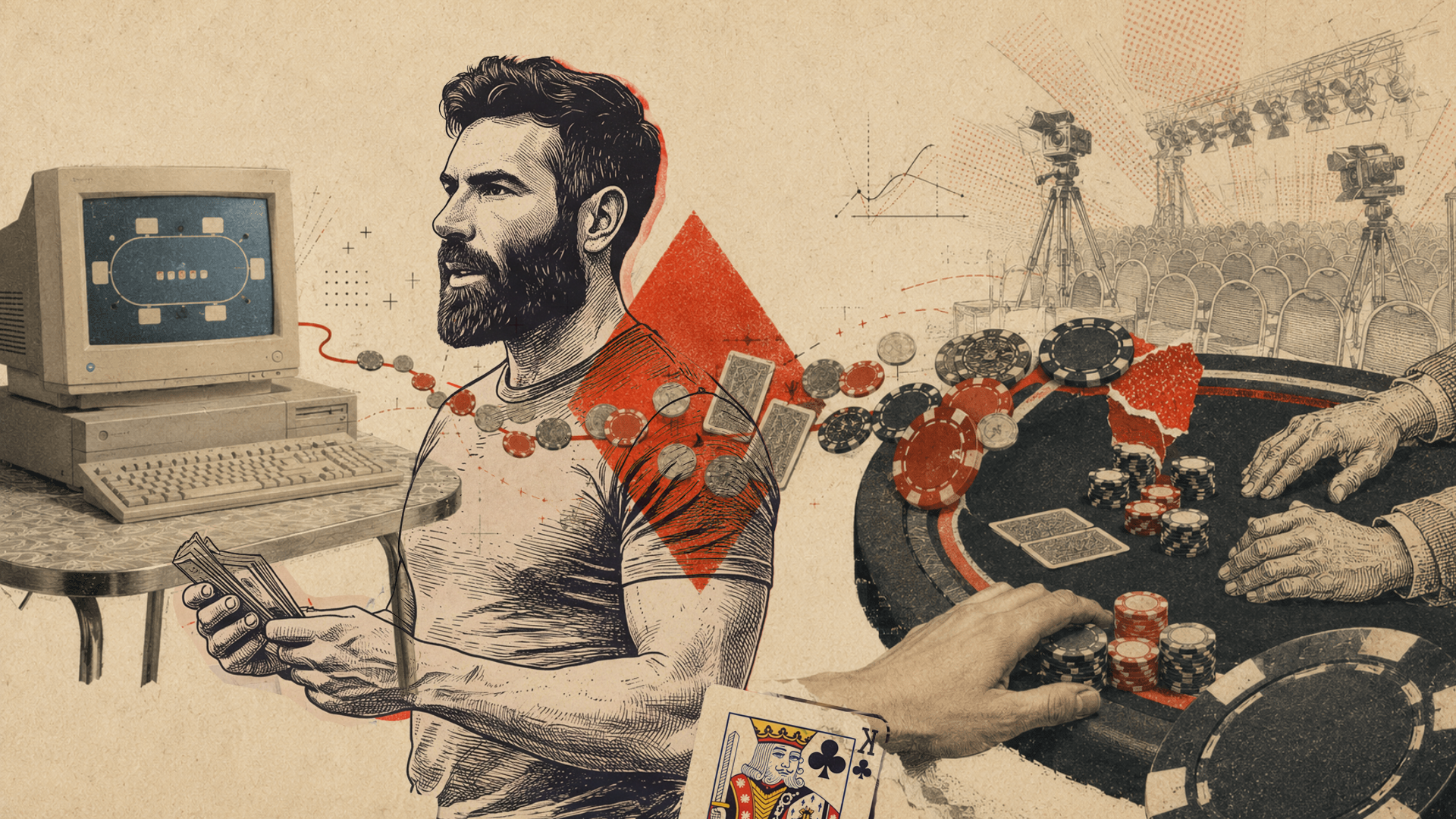
When Bilzerian threw a porn star off the roof of a Hollywood Hills mansion into a pool, as part of a photo shoot for Hustler, she broke her foot and hired a lawyer, blaming Bilzerian for the injury. To defend him, Bilzerian hired his pal Goldstein, who fired off a withering response that was widely circulated in legal circles and across social media.
“Like your client, the facts of the claim won’t, quite, fly,” Goldstein wrote. He mused on the reasonable standard of care for throwing a porn actor off a roof and blasted the case as frivolous. “Your client should just box up almost every last bit of her property (please exclude all videos and photographs, as well as the seemingly inevitable small yappy dog) and drop it off with you in safekeeping for Mr. Bilzerian,” Goldstein continued. “After he receives the judgment in his favor, he will have it all delivered to him. Then he will probably blow it up with a mortar in the desert.”
It was the kind of work product that would have been unthinkable from the man who argued before the nine Supreme Court justices. But Goldstein had stopped thinking of himself as just a lawyer, and of Bilzerian as just a client. By then he thought of Bilzerian as a peer, another gambler who lived in the same rooms.
Then in 2014, Goldstein almost died. A pulmonary embolism, a blood clot lodged in his lungs, sent him to the hospital. He survived, and the experience stripped away what caution he had left. The near-death experience, he told the jury, gave him a “you only live once” feeling, known as YOLO in internet parlance. He began gambling for higher and higher stakes, spending more time away from Washington and entering relationships that he concealed from his wife. With considerable understatement, he eventually told the jury deciding his fate: “I may have over cooked it a little bit.”
* * *
By then he had learned the hierarchy of high-stakes poker. One of its most visible centers was a Las Vegas room named for Bobby Baldwin. Goldstein had played beside the room, but never in it.
Bobby Baldwin learned poker in the back rooms of pool halls in Tulsa, Oklahoma. He won the World Series of Poker main event in 1978 at age 28. By the time the Bellagio opened two decades later, Baldwin was its president. He was one of the few people in the world who could sit at a poker table with professionals and have dinner with billionaires the same evening. And it wasn’t by accident that the high-stakes room at the back of the Bellagio’s poker floor carried his name.
The regulars called it “The Office.” Marco Traniello, a professional who played there, described its appeal in Card Player: “Every cash-game player in the world dreams of playing in that room. It’s akin to a baseball player wanting to don the pinstripes at Yankee Stadium.”
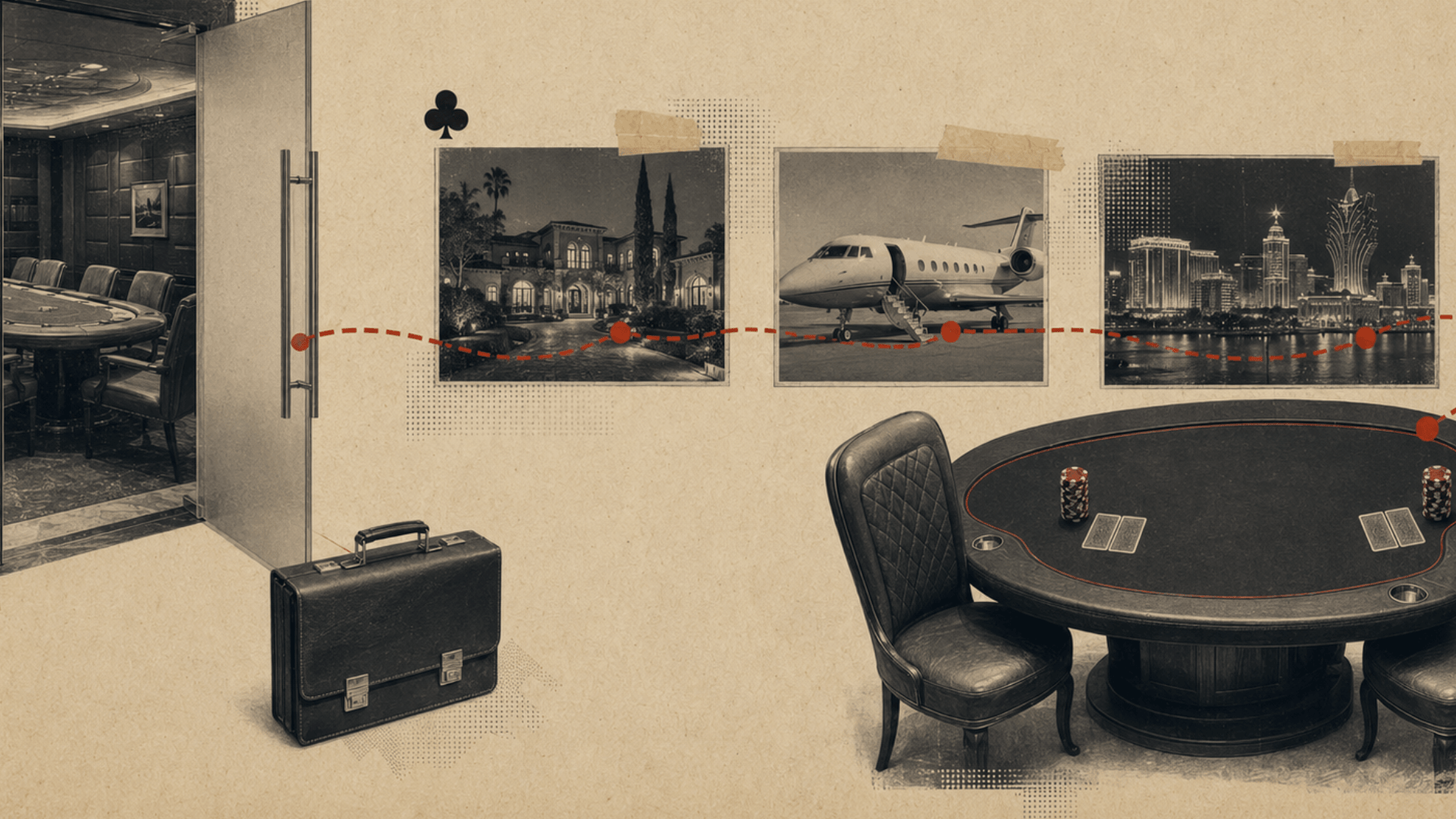
Depending on who was in town, the buy-in varied from five figures to seven. The players typically rotated the style of game every eight to ten hands by agreement, cycling through hold’em, Omaha, Razz, Seven-Card Stud, Deuce-to-Seven Triple Draw, and back again. The Canadian poker pro Daniel Negreanu later wrote about finding himself stuck $1.3 million in a game in San Diego against Phil Ivey, who was widely regarded as the best all-around player in the world. Ivey grinned. “You hit beantown,” he said. “First time you ever been stuck a big bean?” Negreanu wasn’t quite sure what the hell he was talking about, and then it dawned on him. A “big bean” was a million.
The closest thing to a fixture was Doyle Brunson, also known as Texas Dolly, a one-time road gambler who survived countless backroom stickups and the Mafia-run Vegas of the 1970s to enjoy his golden years by treating Bobby’s Room as his daily office. He played almost every day into his mid-80s. Brunson once logged 60 consecutive days without missing one, and when he finally missed two he reported it on Twitter as though confessing an illness: “Yesterday it felt like an anchor fell on me.” But his departure time was sacred. He usually left around 9:30 or 10 PM, and no later than 11. “My wife won’t go to sleep until I get home,” he told Card Player. “I feel like after 57 years, I at least owe her the courtesy of coming home so she can get to sleep.”
The old-school pros like Brunson and Baldwin had seen generations of hotshots burst onto the scene and fade away. Those hotshots developed “leaks” that drained their bankrolls: quite commonly, drugs and sports betting. Or, just as often, they were temperamentally unsuited to it and couldn’t handle the highs and lows. “The mark of a top player is not how much he wins when he is winning but how he handles his losses. If you win for thirty days in a row, that makes no difference if on the thirty-first you have a bad night, go crazy, and throw it all away,” Baldwin said.
Bobby’s Room was the public face of high-stakes poker, and that was also its limit. The casino set the rules, kept the records and took its cut. But the biggest games of all took place below the surface, in Macau hotel suites and Beverly Hills mansions, with buy-ins in the millions. There were no cameras or gaming commission overseeing these sessions. The host controlled who played and who owed what to whom. A player needed the host’s backing to get a seat.
The games were easy pickings for pros willing to pick their spots and pocket a tidy profit. But then they wouldn’t be invited back. Phil Laak described the cost of playing cautiously: it gave you a “license to steal pots” but could get you left out of the next game. Rich amateurs came to gamble. To keep getting invited, players had to be willing to give them action.
For Goldstein, this dynamic was ideal. The wild play that had made him the talk of the Bellagio was a calling card. He became a regular in high-stakes games around D.C. and Beverly Hills, got invited to sun-drenched getaways where Bilzerian’s crew partied by night and played poker through the day. “He has gone from a complete maniac to a disciplined maniac,” Bill Perkins, a former hedge-fund trader, later told Card Player. “And a disciplined maniac is dangerous.”
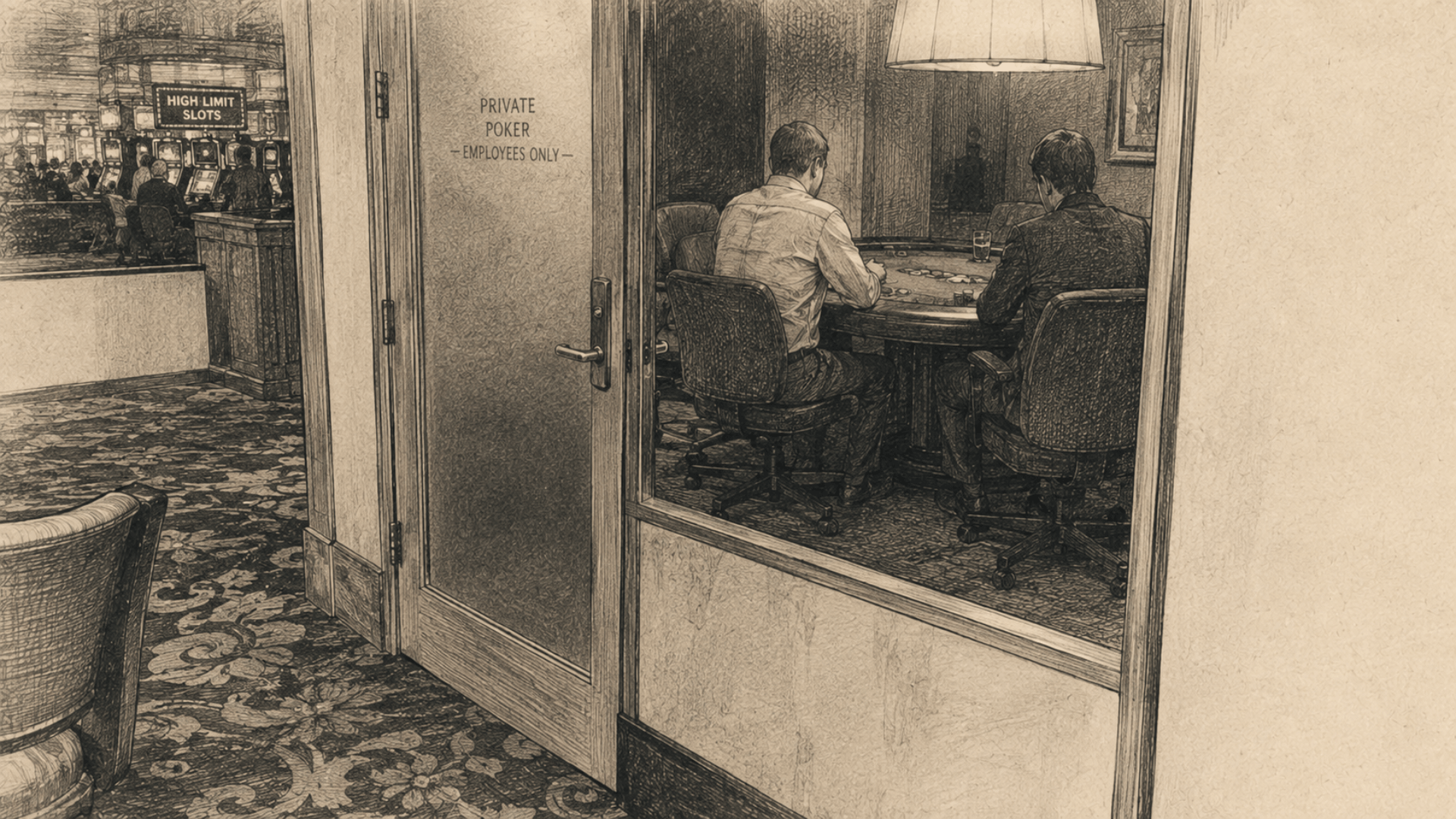
Goldstein won $200,000 from the comedian Kevin Hart on a single day in May 2016, but overall he lost more than he won. Ring poker required discipline and patience. “If you’re playing against eight people, just mathematically, the odds that somebody has a hand that’s better than yours are quite high,” he told Toobin. For Goldstein, this was maddening. He wanted to be in action almost every hand.
Heads-up poker was different. When only two players are playing, there is less room to wait for a strong hand. A player can win the pot without one, and hands worth folding at a full table can be worth raising. In poker’s hand-to-hand combat, folding too often costs money rather than preserving it for a better hand. The two players keep confronting each other with marginal hands, each trying to read the other. Goldstein’s impatience and willingness to put everything in the middle on a feeling had cost him in ring games. Heads-up play incentivized that aggression.
He continued: “If you’re playing against one person, you don’t have to be nearly as patient. What’s rewarded is being very aggressive. So heads-up, in essence, is built for me.”
Getting a chance to sit down one-on-one with some of the world’s wealthiest men was harder than getting into the private ring games around Hollywood. The biggest of the private games, the ones at the top of the hierarchy that Bobby’s Room only hinted at, were run out of Macau, and access was controlled by a man whose network of players and debtors reached across the Pacific. Goldstein got in the way only a lawyer could: that man became his client.
Chapter 4: The Gatekeeper
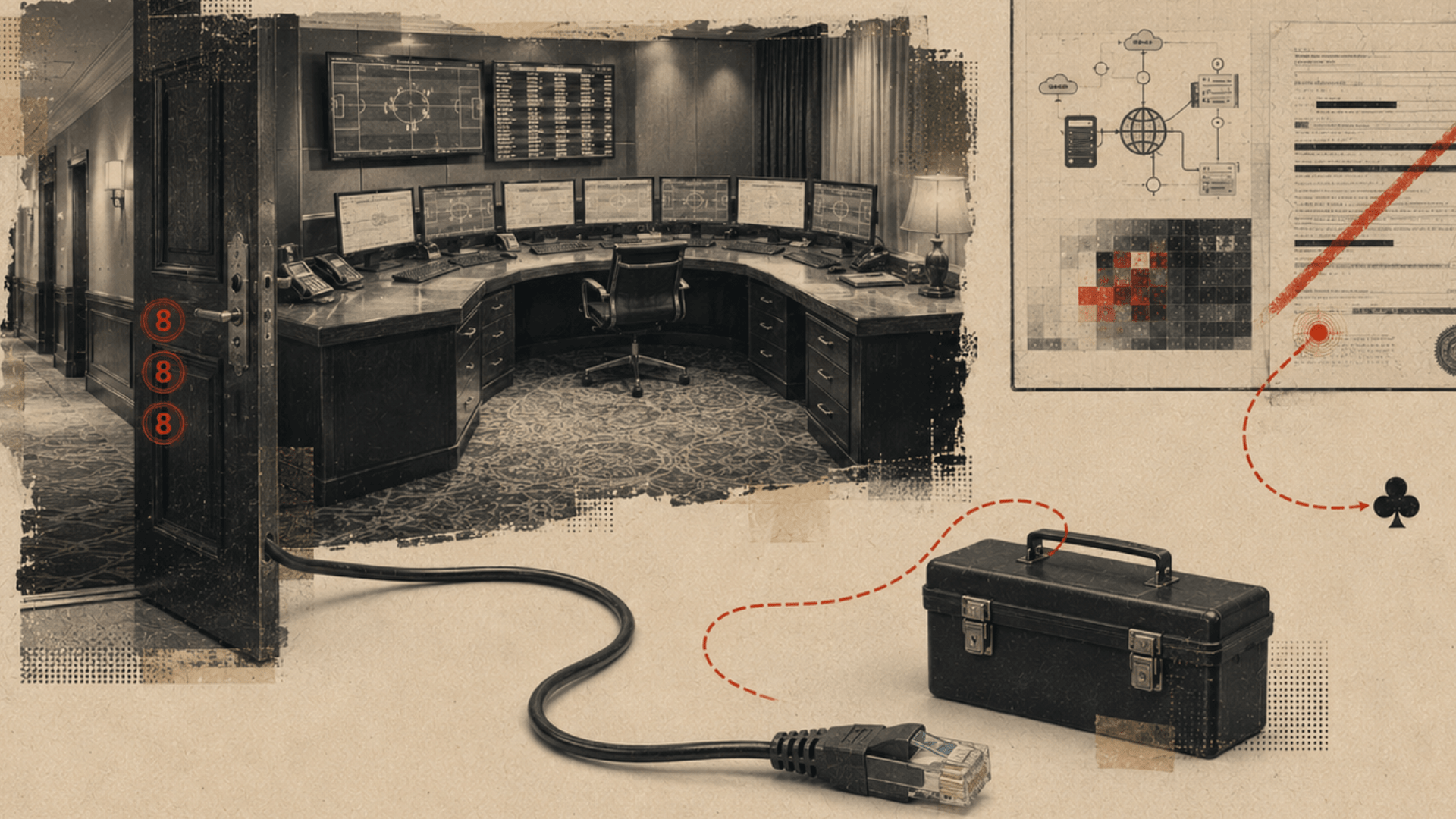
In July 2014, during the World Series of Poker, FBI agents raided three high-roller villas at Caesars Palace. The villas, numbered 8881, 8882, and 8888, were explicitly marketed to Asian gamblers, who viewed eight as the luckiest number. After checking in, the occupants had asked Caesars staff to deliver big-screen televisions and multiple computers to suite 8888, which they transformed into an operations center. When agents entered during the raid, they found a man seated at a U-shaped table with seven computer screens in front of him, next to a woman furiously pecking on a keyboard. The World Cup was playing on the televisions. The allegation: an unlicensed sports betting operation, illegal under U.S. law, taking wagers on the World Cup from inside the biggest poker event of the year. Eight people were charged.
The main target: Paul Phua, a slight 50-year-old originally from Borneo who ESPN called “the unknown king of international gambling.” Phua was the principal owner of IBCBet, a Philippines-registered online sportsbook that handled an estimated $60 billion in annual betting volume. In a charging document, the Justice Department alleged Phua was also a senior member of the 14K, a Hong Kong criminal organization, one of the groups broadly known as triads. Phua denied it. “I am not what the media alleges me to be: A Triad,” Phua told PokerNews in a 2016 interview. “I’m just an investor. I’m a gambler, and I’m a risk taker, but I’m not an operator.”
Phua was a key link between the world’s two gambling meccas: Vegas and Macau. He and Richard Yong co-founded the Triton Poker Tour, a high-stakes series with the production values of a legitimate sporting event. The players on the tour traveled to London, Manila, Montenegro and South Korea, and their matches drew in a handful of American pros who could weather the expensive buy-ins. Phua also hosted private games in hotel suites and rented villas. He often ferried players around the world on his Gulfstream V, tail number N888XS.
Court records and interviews with people who dealt with Phua describe how the games could also be used as a route around China’s capital controls. There were no security cameras or casino records. Debts could be settled months later through wire transfers or cash. Professionals who wanted to play against the wealthy gamblers in these games had to go through Phua.
Whether or not Phua was a gangster, he was the gatekeeper to the richest poker games on the planet, and Goldstein knew it. He took on Phua as a client.
The case should have been straightforward. FBI agents obtained physical evidence and electronic records. Staff from Caesars who had delivered the equipment could also testify to what they had seen in the villa. On paper, it looked like a strong case. But the government had a problem, and Goldstein zeroed in on it.
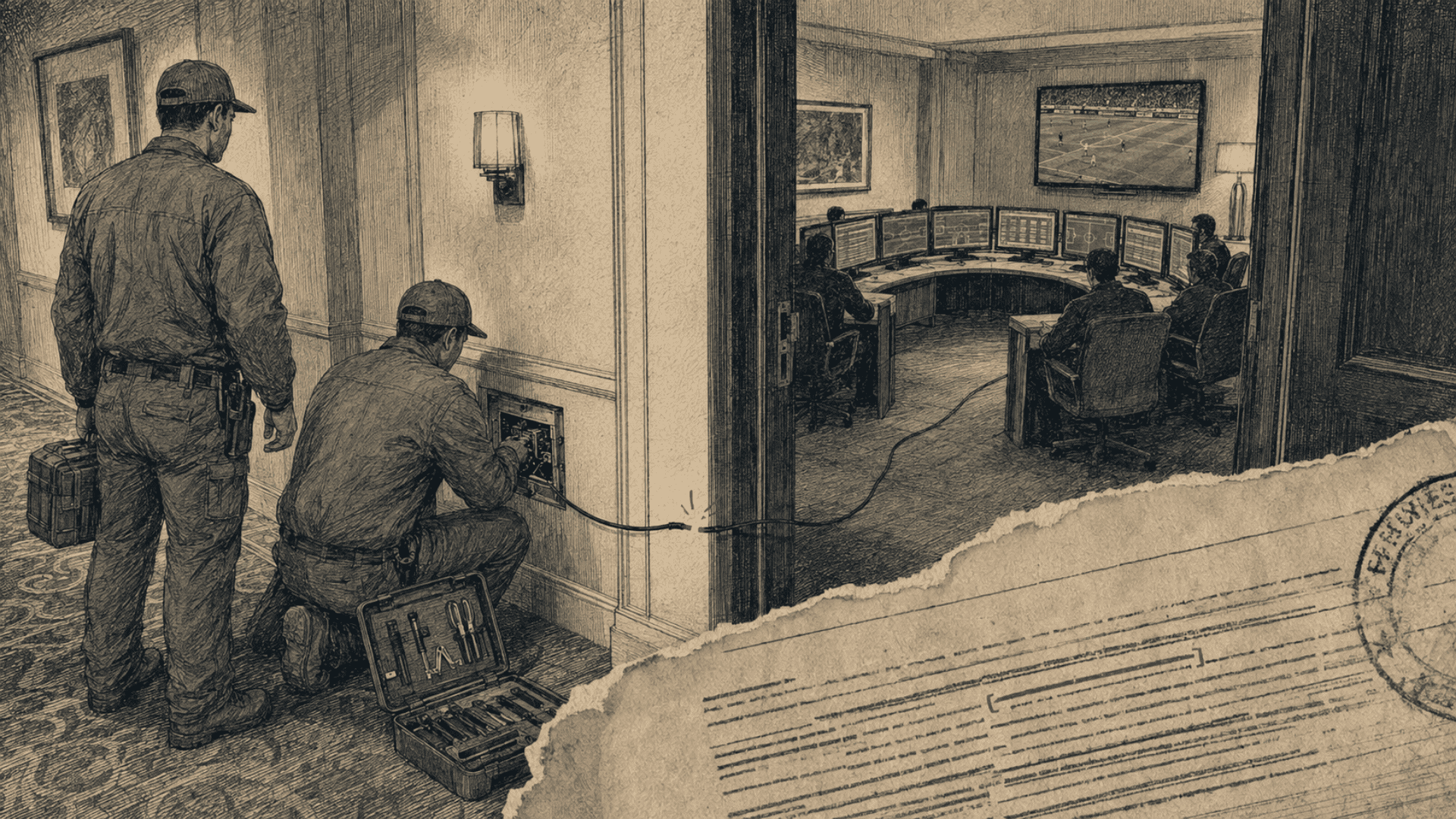
To gain entry before the raid, investigators cut the internet cable to the villas, then sent agents posing as repair technicians to answer the service call. Inside, the agents saw the computer screens and the World Cup on the televisions. They used what they observed to build probable cause for a search warrant. The warrant application described a routine service call and did not mention that the FBI had orchestrated the disruption. In a co-defendant’s appeal in 2019, the Ninth Circuit would find that the agents “created multiple documents designed to give the false impression that the internet outages had been fortuitous, rather than orchestrated by the FBI.”
Goldstein successfully argued that FBI agents had manufactured a pretext to conduct a warrantless search of the villa. U.S. District Judge Andrew Gordon agreed that the search was unconstitutional. “Permitting the government to create the need for the occupant to invite a third party into his or her home,” Gordon wrote, “would effectively allow the government to conduct warrantless searches of the vast majority of residences and hotel rooms in America.” Gordon dismissed the case in June 2015. The government declined to appeal to the Ninth Circuit.
Phua was off the hook. Years later, Goldstein would help defend Phua again in a Macau prosecution over illegal betting connected to the Wynn casino. Phua would be acquitted there in February 2019. But it was the Las Vegas win that mattered now. Goldstein had kept him out of an American prison, and he believed Phua “felt very indebted to me for what happened in Las Vegas.”
Goldstein’s ask: He wanted a seat across the table from a man they called the Chairman.
The Chairman was Qin Si Xin, a mainland Chinese businessman and a partner in David Star, one of the Macau junket operators that kept the casinos supplied with high rollers and with credit. Junket operators moved money across borders for players from mainland China. Gambling debts could not be enforced in mainland courts, so operators relied on personal relationships and sometimes pressure to collect. Qin had been detained on the mainland in late 2012 during an anti-corruption campaign in the industry, but remained in the business. A few years later, an Australian casino company would lend him $166 million after twenty-one minutes of due diligence. Goldstein had first sat near him at a tournament in the Philippines in January 2016, with Phua at the table.
At Goldstein’s trial, poker player Rick Salomon explained that the Asian businessman funded a large percentage of the high-stakes ecosystem.
“The Chairman is the — this — well, they call — an Asian whale,” Salomon testified. An Asian whale, Salomon explained, was “somebody who’s lost a lot of money playing, gambling.”
Salomon — better known to tabloid readers for the 2004 Paris Hilton sex tape than for the twenty-five years he had spent in the world’s biggest poker games — knew the unspoken customs of that world as well as anyone.
Salomon explained Phua’s role bluntly. Asked whether players usually had to give Phua a piece of the game to get a seat against the Chairman, he replied: “A hundred percent, yeah.” Phua organized the table and, in exchange, took a share of the winnings.
Phua sold more than a seat in the game. He also guaranteed that all debts would be honored. “There is a bonus to giving this guy a big piece,” as Salomon explained it. “You’re going to get paid.” It is telling that when he was charged for illegal gambling in the U.S., high-stakes pros Phil Ivey and Andrew Robl, who were regulars in Phua’s game, posted millions of dollars for his bail.
This was the world that Phua’s debt to Goldstein would buy him into, and it ran on its own customs. Contracts and basic accounting procedures were impractical there. Tens of millions of dollars changed hands in Phua’s games on a handshake. Settlements happened through wire transfers or cash, often weeks after the game ended. The idea of filing paperwork on the exchange was considered unusual, even offensive. When asked at trial what the most money he had ever been owed from poker investments without a written contract was, Salomon answered without hesitating: “At least $50 million.” Asked whether poker players ever sent each other 1099 tax forms for winnings and losses, he was equally direct. “I don’t know if anyone has ever done that. People have suggested it and it’s frowned upon.”
This world entranced Goldstein, and he saw an opportunity in it. By any ordinary measure he was a rich man: his share of Goldstein & Russell’s profits in 2016 came to $1,527,428, an exceptional income for a lawyer but a rounding error at the tables he wanted to sit at.
Behind that income was a growing hole of debt. Around 2013 he had gone to Stewart and Lynda Resnick, the California billionaires behind POM Wonderful and Fiji Water and former clients of his firm, and secured a $10 million personal line of credit, telling them he wanted it to stake other poker players, one of them a player he called Dan. In reality, he staked himself. He put the money into multi-player cash games where patience was the essential edge and he had none, and, in the words of the stipulation both sides would later sign, “promptly lost $9 million playing ring games.” The principal was still outstanding heading into 2016.
And on March 3, 2016, his outside accountant emailed the firm’s manager to report that, on the previous year’s income, Goldstein would owe Maryland $400,000 and the IRS $1.7 million on April 15, and laid out his three options: file on April 15 and pay in full; file and ask the IRS for an installment plan; or file an extension, pay what he could, and owe the rest, with penalties and interest, by October 15.
He could not fund himself, and everyone around him knew it. Both Robl and Salomon testified that in 2016 Goldstein did not have the money to buy into the games he was chasing. He needed guarantors willing to cover his losses, and he had to sell between sixty and seventy-five percent of his own action to investors just to take a seat.
Phua repaid the favor with introductions. Through him Goldstein met a stratum of gamblers who craved exposure at the highest possible stakes, and who would likely see him as an easy mark. Goldstein believed that just as he had done in debate, and then in arguments before the Supreme Court, he could win through intense preparation and an ability to make his opponent see what he wanted them to see. At trial, he explained that he was effectively giving off a tell: he was pretending to be weak, even as he developed a plan to get strong.
“I kind of developed this idea, because I was a lawyer, that there would be businessmen who would be willing to play heads-up against me at very very high stakes when they wouldn’t play against professionals, because I’m much less threatening and I have a reputation, justifiably, of being a losing poker player,” he said later. “And so I had this idea that I could get coached up.”
The players who sat across from him in Beverly Hills living rooms saw what one regular described: instinct and impulse, no discipline, no plan. That was the man Phua’s whales would hear about. The other one, methodical and relentless, was the one who decided to take on the Chairman again.
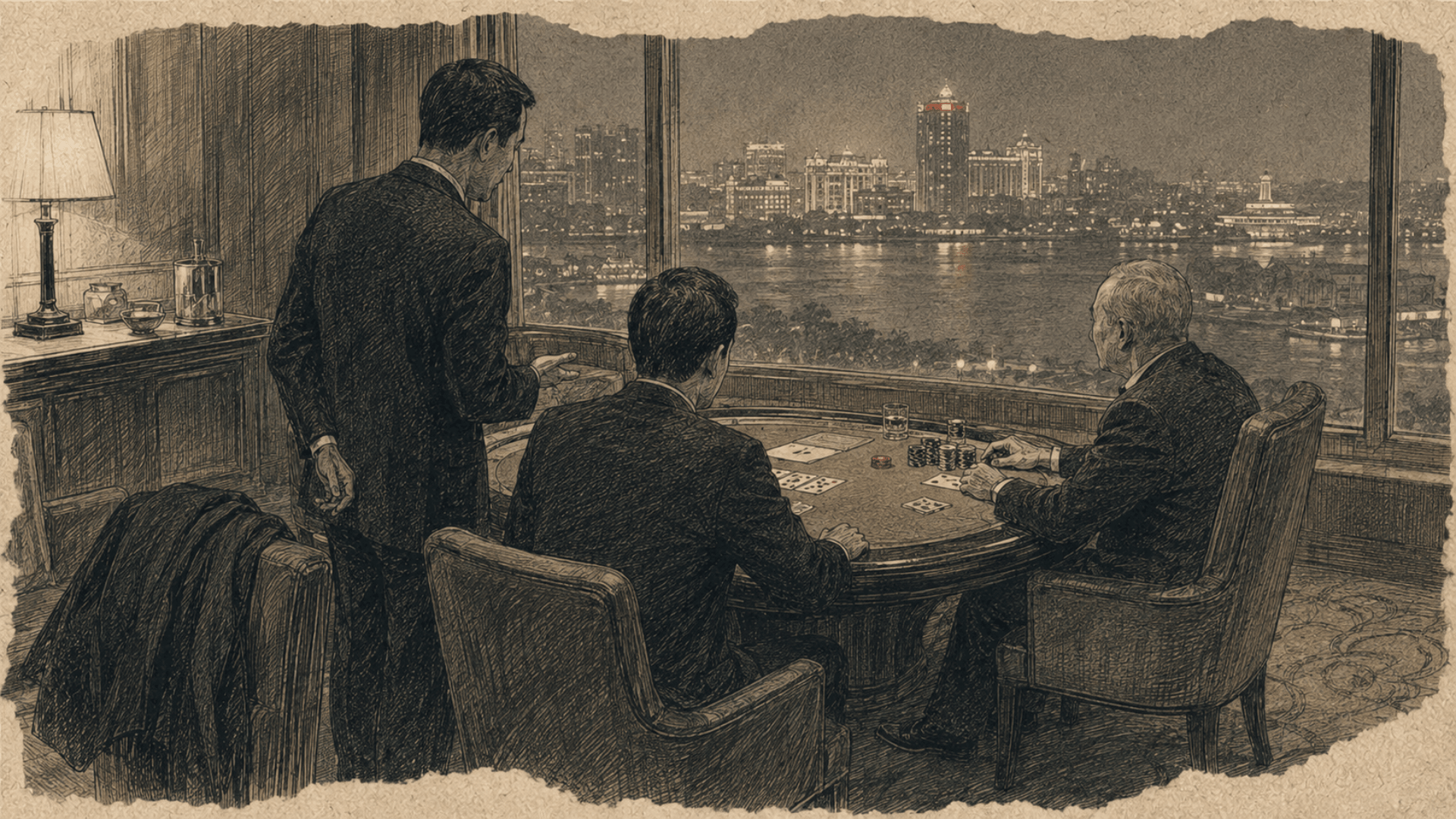
In the spring of 2016, Goldstein had lost $1.787 million to the Chairman, his own share of the loss. It was in the crucible of that desperate state that he came up with a plan for finally conquering the world of high-stakes poker: He assembled a team of specialists to give him a crash course in how to beat billionaires. Robl, a regular in Phua’s games who had built a reputation as a poker savant before even hitting 30, led the group. Robl could study an opponent’s habits and coach Goldstein to play against them over repeated sessions. By backing him, Robl could profit from games he could not get for himself. Asked at trial whether he would have staked Goldstein in ring games, Robl answered: “Generally, no.” Heads-up was another matter. In Goldstein, he had a star student.
Robl also brought in Keith Gipson to be Goldstein’s sparring partner. He and Robl had been part of the same crew of sponsored pros at Victory Poker, the online room the entrepreneur Dan Fleyshman launched in 2010, and had remained close in the years since. Gipson had been a professional blackjack player by the age of seventeen and owned a house in Las Vegas by twenty-one. Gipson's job would be to imitate the Chairman’s play so Goldstein could try out his strategy in practice.
Goldstein still needed Phua to get him back into the game. He did not know the Chairman’s real name, and the Chairman extended credit only to people he knew. Phua spoke his language and had his trust. “I saved ten years of his life and made him tens of millions of dollars,” Goldstein said.
In exchange, Phua organized the game and guaranteed Goldstein’s credit. As always, Phua collected a piece. Reflecting on the earlier defeat in an April 23 strategy memo, Goldstein wrote: “Obviously, it is bad to lose, but a small benefit of our bad results in the first session is that it seems unlikely that C will quit me without numerous losing sessions.” C, in their shorthand, was the Chairman. The logic was simple enough: a loss bought continued access. A man who thinks he is beating you will keep sitting down with you.
Robl had help from Phil Galfond, a heads-up specialist he knew from college. Goldstein limited his own risk by selling most of the “action” to backers, who would share in his losses as well as his winnings. Robl and Phua held much of that stake. In September, he got the opportunity he had been looking for. Over three days, in hotel suites in Manila, Goldstein won 101 million Hong Kong dollars off the Chairman. On the stand he put that at about $13 million; the figure both sides stipulated to at trial was $9.96 million. Four years later, in a room with an IRS agent, he would be asked about his poker income and would not mention the Chairman at all.
Asked by Toobin how he could tolerate the stress of playing for such enormous sums, Goldstein had a simple answer. “I have both the benefit and the great disadvantage of not placing particular value on the money,” he said. “So that means that I can play at very large stakes and not get psyched out about it, but it also means that I will take too many risks with too much money. So it’s a blessing and a curse. It does not bother me. It doesn’t cause my heart rate to go up. I mean, I can think of $26 million like $26,000, really, genuinely.” Much of the money crossing the felt, of course, was his backers’.
Goldstein did not put the winnings aside. He was still running a Supreme Court practice and SCOTUSblog, and the firm paid him a little over $1.5 million a year. His accountant said he owed $2.1 million in taxes; the Resnick principal remained unpaid. He was also paying for trips, apartments and relationships he kept from his wife. He began looking for an even bigger game.
Flush with cash, Goldstein rented a luxury apartment in Hollywood for nearly $200,000 over the course of the year. The reason was to be closer to the next target up the totem pole of legendary poker whales, Alec Gores.
Gores was not an obvious target. Born in 1953 in Nazareth, Israel, to a Greek father and a Lebanese mother, he had immigrated to Flint, Michigan, at fifteen. He bagged groceries at his uncle’s store for twenty-five cents an hour and was the first in his family to attend college, studying computer science at Western Michigan University. With an $8,000 loan from his father, he founded Executive Business Systems in 1978. He sold it eight years later for a few million dollars and used the proceeds to launch The Gores Group, a private equity firm that specialized in acquiring and restructuring distressed companies. By 2016, Gores had bought and restructured dozens of distressed companies, and his net worth was estimated at more than $2 billion. His career depended on deciding which financial risks were worth taking.
Gores was a strong amateur who played poker for sport and could afford his losses. He had been holding his own at high stakes for years. He had won and lost millions in the Hollywood home games, including against actor Tobey Maguire. Dan Bilzerian would later claim in his autobiography, The Setup, that he had won more than $40 million from Gores over time, a figure Gores disputed. Annoyed that Bilzerian publicly portrayed him as a losing player, Gores challenged the playboy to a rematch and they discussed stakes as high as $100 million, but the game never materialized.
Gores played poker with friends, with a dealer he trusted. “Most of the games were played in my house,” he testified. Friends came through. His wife came in and out. He hosted on his schedule and chose the guests.
Goldstein and Robl saw an opportunity. With Robl’s encouragement, Goldstein spent months studying the billionaire’s poker tendencies and rehearsing against a player imitating his style. “I thought I could train him to beat Alec Gores and invest in it and make some money from it,” Robl later testified.
Robl’s team compiled a dossier documenting how Gores bet in different situations and how he responded to pressure — what he did when he was winning, what changed when he was behind. They ran computer simulations against his predicted style. Gipson sat across from Goldstein in practice sessions and imitated how they expected Gores to play, based on the team’s research.
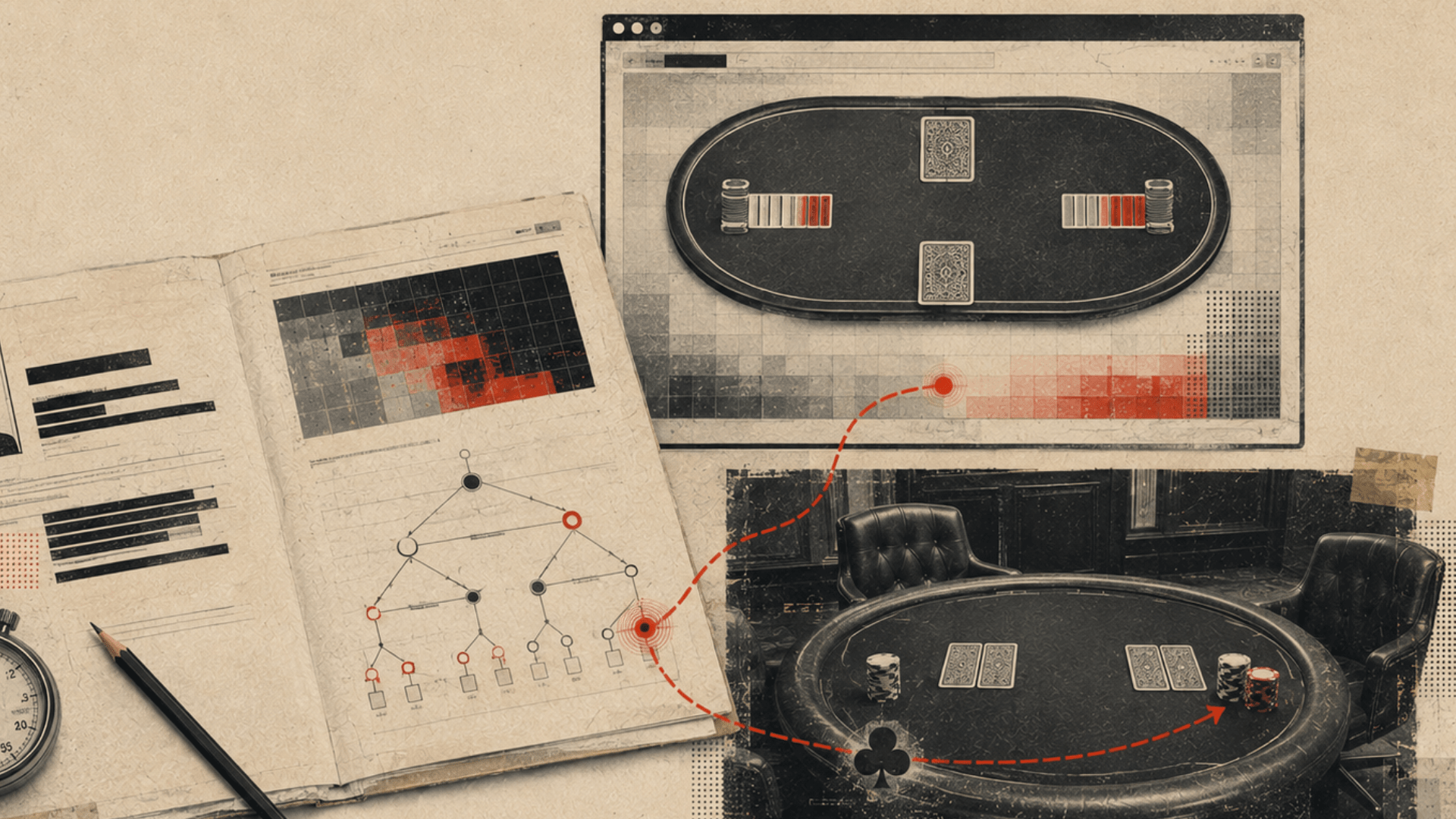
The bar Goldstein set for himself in those years was captured in a memo. On April 23, 2016 — as he was preparing for the Chairman, not Gores — Goldstein emailed Robl and copied Keith Gipson under the subject line “revision,” attaching a 24-page memo and a redline of an earlier draft. The document covered his opponent’s playing habits, the rhythm of a session, ways to keep him playing over months, and how to manage money and risk. “This memo, which is substantially revised from the first version,” Goldstein wrote in the introduction, “has two parts. First, I write generally about lessons I learned in the first session.” Gipson, asked at trial how many people had ever sent him a strategy memo like it, said: “No one.”
For the Gores sessions, Goldstein sold much of his action. “Paul Phua starts out with 60,” he wrote in November 2016. The percentages changed over the course of the matches, Goldstein later testified. Robl personally bought between 10 and 15 percent, and Rick Salomon three. Asked at trial how these arrangements were documented and settled, Robl said: “Gamblers kind of just go by the word and the reputation and stuff.” He and Goldstein agreed their shares verbally or in messages, without formal written contracts.
To sit across from Gores, Goldstein needed someone credible to guarantee his losses if he couldn’t pay. If a player lost $5 million and disappeared, the guarantor owed the money. The money behind the guarantee was Phua’s, $3 million of it. But Phua and Gores had never met, so Robl arranged it through Bobby Baldwin — the man whose name was on the door of the glass room at the Bellagio, a few feet from the table where Goldstein had first made his reputation as a maniac, and one of the few people alive who could vouch for a poker player to a billionaire. Robl guaranteed Goldstein’s $3 million on Phua’s money; Baldwin, who knew Gores personally, guaranteed Robl.
There was one other element to arrange, and it required a white lie.
Gores had been clear about what he expected from his home game. He did not want a professional either at his table or helping to study his play. A professional watching the game could track Gores’s bets and physical tells, then pass on what he learned between sessions. Goldstein was counting on Gores to let him bring just such a guest to their first match.
On November 18, 2016, Goldstein sent the text: he had a friend from Macau who played mixed games. His name was Keith Gipson.
Gores was cautious. “Is he a player?”
Years later, a prosecutor asked Gores why that question had mattered to him. “Well,” Gores replied, “I wouldn’t want him to bring a professional with him at the game to study me, to, you know, to tell him what to do, things in that nature, yes.”
Goldstein’s text reply was careful, as Gores recalled. “He told me he was a mature player, that he plays in mixed games.” Gipson was a professional who had made his living at the poker table since he was a teenager, a man who had been a sponsored pro alongside the very coach who had designed the strategy Goldstein was about to deploy. But the reply described the games Gipson played without telling Gores that Gipson was a professional.
“We’ll see,” Gores texted back.
Gores eventually overcame his skepticism, and agreed to the match. Months earlier, on March 6, 2016, Goldstein had asked Gores to keep their match private. “I’m doing a bunch of stuff with the White House now and have my law practice generally,” he wrote.
Goldstein knew there was a chance he could walk away with millions. And if he did, he didn’t want anyone to know about it.
With additional research from Owen Scheck
To be continued in Chapter 5: The Score
Chapters 5 and 6 arrive tomorrow, Tuesday, 22 September. Subscribe free for an excerpt and a link to each new instalment, delivered directly to your inbox.
Only new stories and instalments from The Foundry. No unrelated promotions. Unsubscribe any time.